Tailgate After Midnight: The Kei-Truck Bars and Record Stalls Parking Themselves Into Tokyo's Nightlife
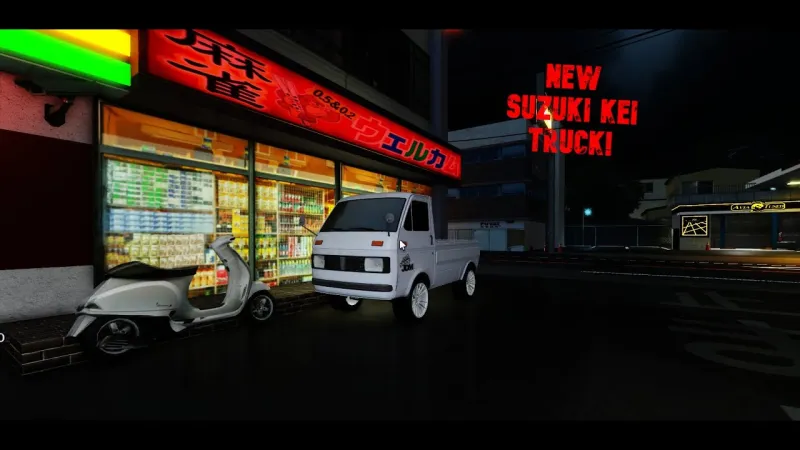
Photo: kei truck night market Tokyo coffee records street, via i.ytimg.com
At 11:40 p.m. on a cool November night, a white kei truck backs into a gravel lot near a river in eastern Tokyo. The tailgate drops. A battery lamp clicks on. By midnight there is a line for pour-over coffee, a crate of used city pop records, and a two-song set from a guitarist sitting on a milk crate. No sign. No door. No cover. Just a truck, a thermos, and a crowd that knows not to block the bike lane.
Welcome to the kei-truck underground, where Tokyo's smallest vehicles become some of its most intimate venues. Kei trucks are the tiny, boxy workhorses you see delivering flowers and construction supplies. After dark, a loose network of operators turns them into coffee bars, record stalls, and micro-stages. The setup is simple. The logistics are not.
Three Trucks, One Long Night
Mio, who asked to use only her first name, runs a coffee truck out of a 1990s Suzuki Carry. Her menu is three drinks: hand-drip, latte, and a sweet black tea for people who have given up on sleeping. She keeps a magnetic awning in the bed, a dry bag for cash, and a small camping lantern that makes every cup look like a still from a film.
A few blocks away, Ren sells records from the flatbed of a Daihatsu Hijet. The crates are labeled in marker: city pop, dub, hardcore, and a bin simply marked ?. He does not announce locations until an hour before he opens. His regulars know to check Stories, not Google Maps.
Sae books the tiny live sets. Her truck has no stage, so the performer stands between the cab and the tailgate. The audience sits on curbs, folding chairs, and whatever the lot provides. The set is usually two songs. Three if the neighbors are still awake and happy.
The Parking-Law Shuffle
None of this works without permission. Public roads are a no. Private lots are the norm, and the operators are careful about it. They rent corners of gallery courtyards, shutters of closed shops, and gravel patches behind apartment buildings. They rotate locations. They keep crowds small enough to pack up in minutes. If a security guard or shop owner asks them to move, they move.
The truck is legal. The gathering is the variable. That is why the best operators think like guests, not promoters. Mio brings a folding table so nobody has to lean on the truck. Ren keeps a roll of tape for securing crates and a trash bag for every night. Sae ends sets at a volume that lets conversation happen two meters away.
Weatherproofing Is the Whole Business
A kei truck is not a bar. It is a vehicle with a bed. Rain can turn a good night into a wet mess, so the operators prep like campers. Mio carries a tarp, bungee cords, and a battery bank that can run a small light and a grinder for four hours. Ren wraps records in plastic sleeves and keeps a backup crate in the cab. Sae has a battery-powered amp and a strict rule: no gear on the ground without a mat.
Cold is the other problem. In November, the difference between a good truck night and a bad one is often a thermos of hot water and a box of hand warmers. The operators do not fight the weather. They design around it. If the wind picks up, the awning comes down. If the rain gets serious, the night ends early. Nobody complains. The regulars just check the next location.
Neighbor Diplomacy, One Cup at a Time
The first cup of the night usually goes to the shop owner next door. The second goes to the building manager. Mio says it is not a bribe. It is a way of saying we know we are in your space. The operators clean up before they leave, even the cigarette butts they did not create. They keep the music low after 1 a.m. They do not let the line spill into the street.
That diplomacy is why the trucks keep coming back. Tokyo has no shortage of bars, but it has a shortage of places where a stranger can stand with a paper cup and talk to a record dealer without shouting. The truck creates a room without walls. It is public and private at the same time. That is the appeal.
Why It Feels More Intimate Than a Basement
In a basement bar, you rent a room. In a kei truck, you borrow a corner. The difference changes the social math. There is no bouncer, no coat check, and no dark hallway to hide in. You are outside. You can see the sky. You can hear the river. You can leave without making a scene.
The smallness helps. A truck can hold maybe twelve people comfortably. The barista knows your order by the second visit. The record seller remembers what you bought last time. The guitarist plays to a crowd that is close enough to see their fingers. Nobody is performing coolness. They are just trying to stay warm and listen.
Sidebar for US Visitors: How to Find the Trucks Without Ruining the Vibe
- Follow the people, not the pins. Ask a record store clerk or a barista you trust. Do not demand addresses in comment sections.
- Check Stories, not hashtags. Locations often go up an hour before opening and disappear the next day.
- Buy something. A coffee or a record is your entry fee. Do not treat the truck as a free photo set.
- Ask before filming. Some operators are fine with photos. Some are not. Read the room.
- Bring cash and an IC card. Small operators may not take cards, and a dead battery is a bad look.
- Arrive in twos, not tens. The trucks are not built for a bachelor party.
- Respect the move. If the truck packs up early, it is not a slight. It is the permit, the weather, or the neighbors.
- Leave no trace. Take your cup. Take your trash. Take the hint.