The Best Meal in Tokyo Right Now Might Be Illegal
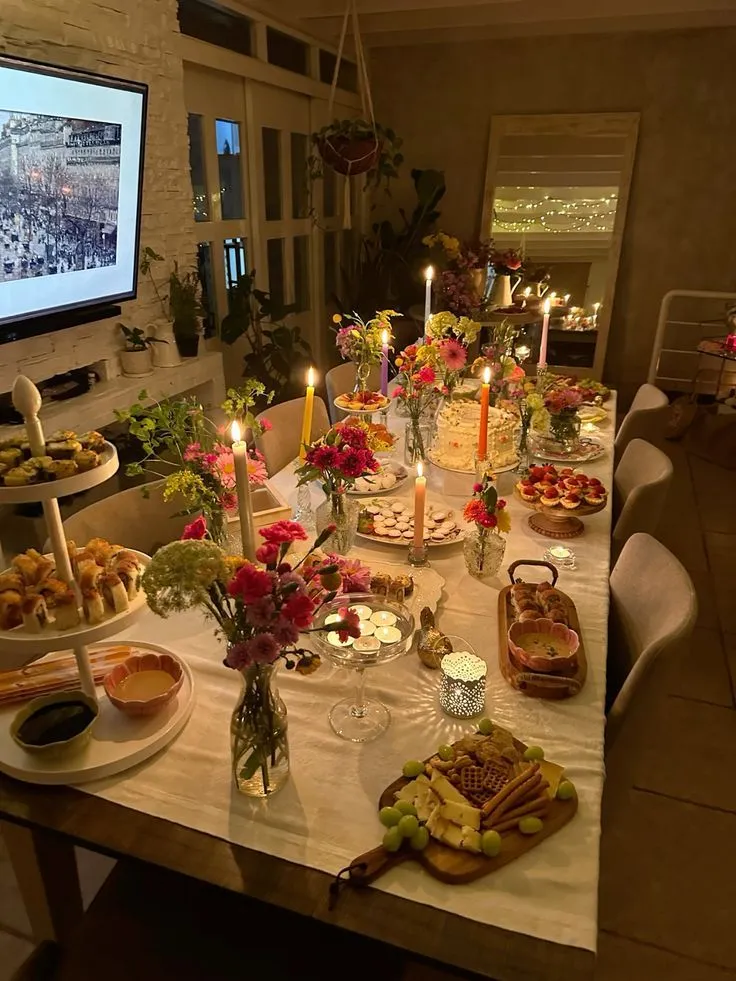
Photo: intimate underground dinner party candles small apartment, via i.pinimg.com
Let me just say the quiet part up front: the best meal I've had in Tokyo this year was served at a folding table in a two-tatami apartment in Nakano, the chef had no license to speak of, and there were nine of us who found out about it through a friend of a friend.
And I don't think that's a scandal. I think it's the point.
The Chefs Who Walked
The people running these dinners aren't failed cooks. That's the assumption, and it's wrong. Talk to them long enough and a pattern emerges: years in proper kitchens, often under the brutal apprenticeship system that governs high-end Japanese cuisine. Fifteen-hour days, years of nothing but rice and knife work, a hierarchy where questioning the head chef is career suicide.
The traditional path to owning your own place means decades of servitude and a mountain of debt for a storefront. The underground path means a portable burner, a borrowed kitchen, and total creative control starting tonight.
One chef — I'll call him T, since his last employer would not be thrilled — spent eight years in a kaiseki kitchen in Ginza before leaving. His supper club now runs twice a month, seatings at 9 PM and midnight, five courses for ¥6,000. "In the restaurant, I made the same seasonal menu for customers who photographed it and left in ninety minutes," he told me. "Here, I cook what I want, explain every dish, and nobody leaves until the sake is done."
What Midnight Dinner Looks Like
The formats vary wildly. Apartment dinners with eight strangers and a fixed menu. Rooftop yakitori in a residential block, announced 48 hours ahead, gone from the group chat just as fast. A standing-only back-alley counter — technically a storage unit — where a former sushi apprentice serves omakase at 1 AM to night-shift workers and whoever's in the know.
What they share is intimacy and honesty. No markup theater. No English menu with a translation tax. No reservation system except a DM. The food itself is often stunning — these are trained hands — but what you're really paying for is access to a chef who has nothing to hide behind. No dining room. No brand. Just cooking.
The Regulators Are Circling
Here's the uncomfortable part, and I won't pretend otherwise: these operations are illegal, and the crackdown is coming. Japan's food sanitation laws require licensing, and Tokyo's health department has been quietly increasing enforcement as the scene gets media attention. A high-profile case — a food poisoning scare, a viral post, a politician looking for a win — could sweep up a lot of good people doing technically bad things.
Some chefs are trying to legitimize. Shared kitchen licenses, catering permits, partnership deals with izakayas willing to lend their name after hours. Others see formalization as death. The moment you get a permit, you get inspections, and inspections mean menus, and menus mean the whole reason you left in the first place is gone.
Why It's Still the Most Authentic Meal in Tokyo
Critics will say "authentic" is a tourist word, and they're half right. But strip it of its Instagram meaning and something real remains: authenticity is when nothing stands between the cook and the eater. No corporation, no landlord, no menu committee. Just a person who walked away from a system that didn't serve them, cooking for people who found them anyway.
Tokyo's official food scene is the best in the world. I'm not arguing against it. But the underground supper clubs are something the three-Michelin-star temples can't be: young, risk-taking, and completely unafraid to close tomorrow and reopen somewhere else.
Eat at one while you can. And if someone invites you — don't post about it.