Cut, Copy, Resist: Inside Tokyo's Underground Zine Scene
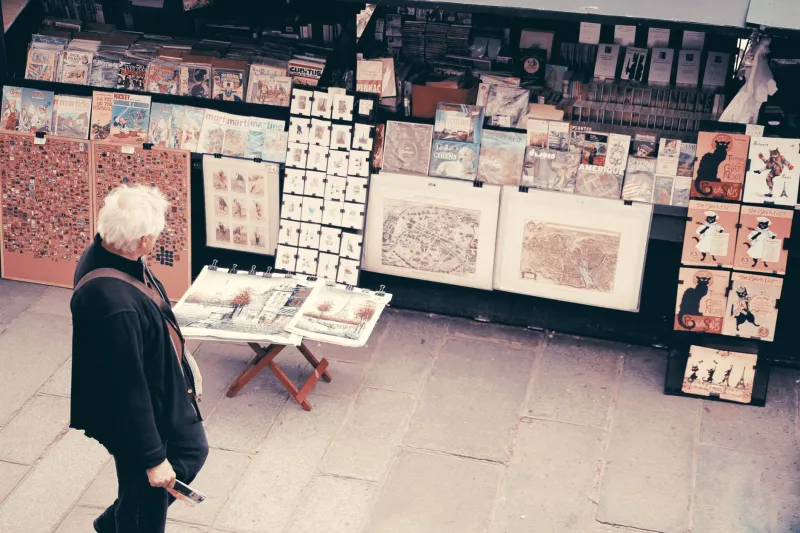
There's a table in the back of a small shop in Shimokitazawa covered in stacks of paper. Photocopied pages, hand-stamped covers, edges that don't quite line up. Each one is a zine — maybe 20 pages, maybe 8, maybe just a single folded sheet — and each one was made by someone in this city who had something to say and didn't feel like waiting for permission.
Tokyo's zine scene isn't new. But right now, it's loud.
Why Print, Why Now
Ask any zine maker in Tokyo why they're doing this in 2024 and you'll get a version of the same answer: because the internet stopped feeling like freedom a long time ago. Algorithms decide what gets seen. Platforms change their rules. A post that took hours to make disappears into a feed within minutes. Print doesn't do that.
"When someone holds your zine, they actually look at it," says Mika, a 24-year-old photographer and zine maker based in Koenji. "They flip through it slowly. They put it down and come back to it. That doesn't happen online." Mika's photo zines — small-run, hand-numbered, usually around 50 copies — sell out within days at local markets. She doesn't have a massive following. She doesn't need one.
This is the core appeal driving the renaissance, and it resonates especially hard among Gen Z creators who grew up with social media but are increasingly skeptical of what it actually offers. Zines are anti-algorithmic by nature. You can't game a photocopier. You can't buy distribution. The work either connects or it doesn't, and the stakes feel honest in a way that chasing likes never quite does.
The Shops You Need to Know
For visitors coming from the US, the easiest entry point into Tokyo's zine world is the physical shops — and there are some genuinely great ones.
Village Vanguard is a chain, sure, but its locations in Shimokitazawa and Shinjuku carry a legitimately eclectic mix of indie publications alongside their usual chaos of novelty items and imported books. Think of it as a gateway drug.
For the real stuff, head to Irregular Rhythm Asylum in Shinjuku — a tiny anarchist bookshop and zine library that's been around since 2004 and remains one of the most important spaces in Tokyo's DIY print world. The selection skews political and countercultural, and the staff are passionate about connecting people with work they might not find anywhere else.
Nadiff in Ebisu is another essential stop, particularly for art-adjacent zines and artist books that blur the line between publication and object. Prices go up here — some of the hand-bound editions cost real money — but the curation is exceptional.
And then there are the markets. Tokyo Zine Fest, which happens annually and draws makers from across Japan and internationally, is the big one. But smaller markets pop up regularly in art spaces and gallery basements around Nakameguro, Harajuku, and Koenji. Following local zine makers on Instagram (the irony is not lost on anyone) is still the best way to find out when and where.
The Distribution Networks Nobody Talks About
Here's where it gets interesting. A lot of the most compelling zines in Tokyo never make it to a shop shelf. They move through informal networks — left in the bathrooms of bars, tucked into record store racks without permission, handed off at shows, traded between strangers at events.
This guerrilla distribution model is part aesthetic choice, part practical necessity. Print runs are small. Shelf space costs money. And there's something intentional about a zine that finds you rather than one you had to seek out.
Some makers maintain mailing lists and do direct mail distribution — old school in the best way. Others work through record stores or vintage clothing shops that are sympathetic to the DIY ethos. A few have set up informal swap networks where makers exchange copies with each other, building a kind of peer-to-peer library that exists entirely outside of any commercial system.
"I don't want to sell my zines in a store that also sells corporate merch," says Taro, who makes a quarterly zine about Tokyo's underground music scene. "It changes what the thing is." His zine — no official title, just a number on the cover — gets distributed at shows and through a small group of friends who carry copies in their bags. It's not efficient. That's the point.
What's Inside
The content of Tokyo's zine scene is as varied as the people making it. Photography is probably the dominant form — Tokyo is a visually rich city and a lot of makers are documenting neighborhoods, subcultures, and everyday moments that don't show up in the tourism brochures. But you'll also find fiction, essay collections, poetry, music criticism, fashion documentation, queer writing, political commentary, and things that genuinely resist categorization.
A lot of the most interesting work right now is coming from makers who are using zines to explore identity — particularly around race, queerness, and the experience of being foreign or mixed-heritage in Japan. These are conversations that mainstream Japanese media has been slow to have, and the zine format offers a space to have them on the maker's own terms.
How to Bring Some Home
Good news: zines travel well. They're light, flat, and cheap enough that buying several doesn't break the bank. Most makers are happy to talk about their work if you approach them at a market — don't be shy. Cash is king at most zine events, so bring yen.
If you're serious about building a collection, arrive early at markets (the good stuff goes fast) and don't sleep on the swap tables where makers trade with each other. You can sometimes get in on those exchanges just by having something to offer — even a zine from back home works.
Tokyo's zine scene is one of those things that rewards showing up. You can't really experience it from a screen, which is maybe the most fitting thing about it.