No Flyers, No Hashtags, No Entry: The Underground Rave Circuit Tokyo Doesn't Want You to Find
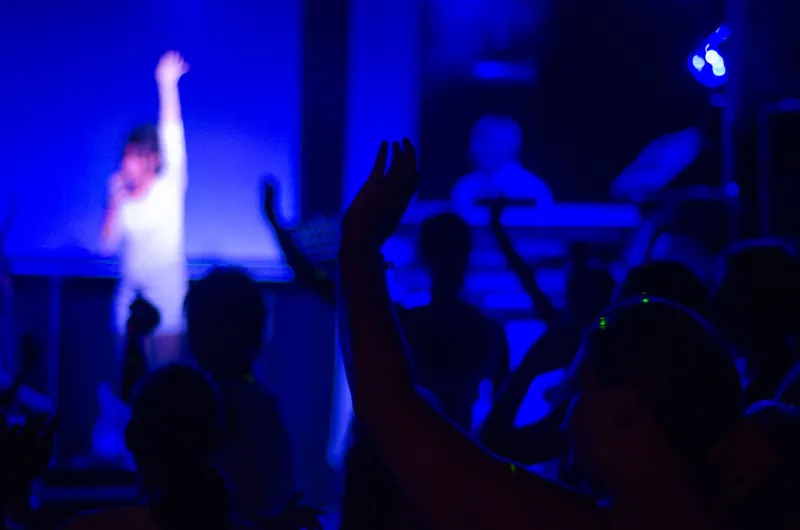
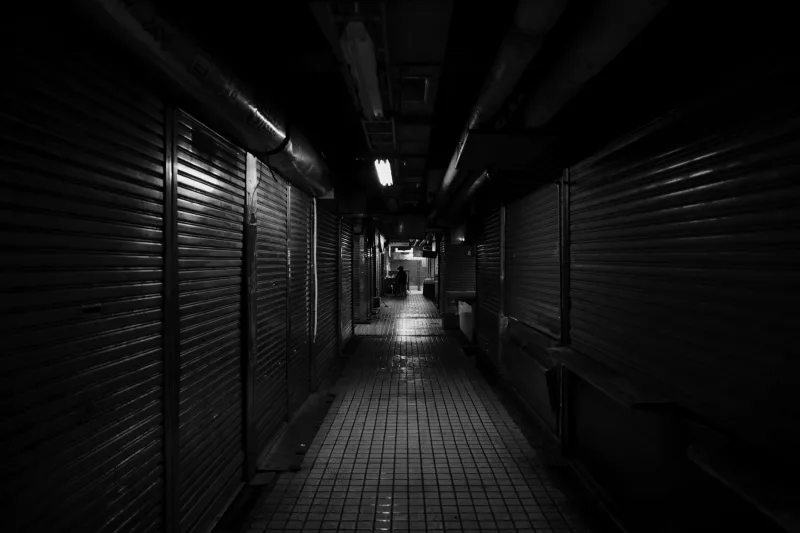
Somewhere in Tokyo tonight, a warehouse is shaking. The kick drum is rattling corrugated metal walls. Someone's fog machine is working overtime. And unless you got a message from someone who got a message from someone else — someone who vouched for you specifically — you have absolutely no idea it's happening.
That's the whole idea.
The Invisible Circuit
Tokyo's invitation-only underground dance scene isn't new, exactly. The city has always had its corners. But over the past few years, a loose network of DJs, promoters, and regulars has quietly constructed something more deliberate: a circuit of events that leaves almost no digital trace. No Facebook event pages. No Instagram stories. No Resident Advisor listings. Just a message, usually through Signal or a private Line group, that tells you where to be and when — and reminds you not to bring anyone who wasn't explicitly cleared.
"The internet killed the secret," says Kei, a DJ and one of the organizers behind a recurring event somewhere in the industrial fringes of Koto Ward. He's speaking through a mutual contact, and he's asked us not to use his full name. "When everything goes online, everything gets commodified. The vibe gets sold before the night even starts."
For American readers, it might help to compare this to the early 2000s warehouse party era in cities like Detroit or Chicago — scenes that thrived precisely because they existed outside mainstream visibility. Tokyo's current moment feels like that, but with a more tech-savvy paranoia layered on top.
Why the Secrecy Actually Works
It would be easy to dismiss all this as pretentiousness dressed up as politics. But spend enough time talking to people inside the circuit and a more coherent logic starts to emerge.
For one thing, the legal landscape matters. Tokyo's entertainment laws — particularly around venues operating without proper licensing — have historically been used to shut down underground spaces in ways that feel disproportionate. The notorious fuzoku eigyo ho, a decades-old law originally targeting sex work, was applied for years to shut down clubs for having people dance past midnight. Though reforms came in 2016, enforcement remains inconsistent, and smaller, unlicensed gatherings still operate in a precarious gray zone. Keeping things off the public internet isn't just aesthetic — it's practical.
"If there's no post, there's no evidence," says Mika, a regular who travels from Osaka specifically for events on this circuit. "It sounds paranoid but it's just smart."
Beyond legal protection, though, there's something the organizers describe as artistic freedom. When you're not performing for an audience of followers, the music can go stranger places. Sets run longer. Genres blur. DJs who might hedge their sound for a mixed public crowd will push into weirder, darker territory when they know the room was curated to handle it.
"I played a four-hour set last month that I would never put online," Kei says. "Not because it was bad. Because it was only for that room. That felt important."
Getting In (If You Can)
So how does anyone actually end up inside one of these parties? The short answer is: slowly.
Most people describe a process that takes months, sometimes longer. You meet someone at a more public event — a gallery opening, a small jazz bar, a record store listening session. You talk. You come back. Eventually, if the vibe is right, they mention something happening. You show up. You behave. You get added to a group. You get invited again.
It's less a velvet rope situation and more like being accepted into a community garden collective, except the harvest is techno.
For American visitors to Tokyo hoping to tap in, the honest advice is: don't make that your goal. Go to Bonobo in Shinjuku. Go to Womb in Shibuya. Hit the record shops in Shimokitazawa and talk to people without an agenda. The circuit finds people who aren't trying to find it.
The Anti-Instagram Thesis
There's a bigger cultural argument happening inside this scene, and it's one that resonates well beyond Tokyo.
In an era where nightlife has been fundamentally reshaped by social media — where the experience of going out is increasingly inseparable from the documentation of going out — these parties are functioning as a conscious refusal. No one is taking photos. No one is building their personal brand off the energy in the room. The moment exists, and then it's gone, preserved only in the memories of the people who were there.
Mika describes it as "the opposite of content." "Everything now is content. Even going to a show, you're making content. Here, you're just... there. It's radical, actually."
That framing might sound dramatic to anyone who just wants to dance. But it's worth sitting with. The attention economy has colonized almost every corner of leisure — and the spaces that actively resist it are getting rarer. Tokyo's invisible rave circuit, whatever its flaws or exclusivities, is one of the few places building a genuine wall against that.
What It Costs (And Who Gets Left Out)
The scene isn't without its tensions. Any closed system risks calcifying into cliquishness, and the line between "curated community" and "exclusionary gatekeeping" is thinner than the organizers sometimes acknowledge.
The circuit skews heavily toward people with existing social capital in Tokyo's creative world — artists, musicians, people with the right connections and the free time to cultivate them. For someone new to the city, or without those networks, the barrier isn't just logistical. It's structural.
"I know it's not for everyone," Kei admits. "But I also think not everything has to be for everyone. That's kind of the whole point."
It's a tension the scene is living with rather than resolving. And honestly, that ambiguity might be the most honest thing about it.
The Night Doesn't Leave a Receipt
By the time you read this, another event has probably already happened somewhere in this city — in a basement, a rooftop, a repurposed storage unit in some neighborhood you've never thought to visit. The music has already stopped. The fog has cleared. The people who were there are back on the train, earbuds in, looking like everyone else.
No post. No story. No trace.
Just the memory of a room that was exactly what it needed to be, for exactly the people who needed to be in it. In a city as vast and relentlessly visible as Tokyo, that kind of invisibility feels almost sacred.