Ink in the Shadows: Tokyo's Hidden Tattoo Studios Where Ancient Craft Lives Rent-Free

Photo by Photo by Habib Beaini on Unsplash on Unsplash
There's no sign. There's no Instagram grid of flash sheets. The address, shared only through a mutual contact or a very specific DM thread, leads you to a beige apartment building in a neighborhood that doesn't make any travel guides. You take the elevator to the fourth floor, knock twice, and the door opens to reveal something that smells like green tea and antiseptic — and a wall covered in some of the most meticulous irezumi you've ever seen in person.
This is Tokyo's underground tattoo scene, and it's more alive than anything you'd find in a licensed shop window.
Why "Underground" Means Something Different Here
In the US, underground tattooing usually conjures images of kitchen setups and shaky linework. In Tokyo, the calculus is completely different. Japan technically requires tattoo artists to hold a medical license — a 2001 ruling that was challenged and partially walked back in 2020 by the Supreme Court, but never fully resolved in a way that gave artists clean legal footing. The result is a patchwork system where some artists operate openly, some quietly, and many somewhere in between.
What that's produced, almost accidentally, is a culture of intimate, appointment-only studios that filter out casual walk-ins and attract people who actually know what they want. You don't stumble into these places. You earn your way in through community.
"My clients are mostly people who've been following my work for years," says one artist who operates out of a converted spare bedroom in Nakameguro — we'll call him Kenji, since he asked us not to use his name. "They're not coming in for a trendy geometric piece. They want something that takes three sessions, maybe more. That's who I want to work with."
Tebori: The Technique That Refuses to Die
If there's one thing that separates Tokyo's underground tattoo world from anywhere else on earth, it's the persistence of tebori — the traditional Japanese hand-poking method that predates electric machines by centuries. Using a wooden or metal handle fitted with needles, artists work ink into the skin manually, creating a softer gradient and a texture that machine work genuinely can't replicate.
Tebori is slow. A session that a machine artist might knock out in two hours can take four or five by hand. But the results have a quality that collectors — particularly those flying in from the US and Europe specifically for this work — describe as almost painterly.
"I've gotten tattooed in New York, Berlin, Seoul," says Marcus, a graphic designer from Brooklyn who made two trips to Tokyo in the past three years specifically for tattoo appointments. "Nothing looks like tebori on healed skin. It sits differently. It ages differently. I knew I had to come back."
Finding a tebori artist operating in the informal circuit isn't something you can Google your way into. It usually starts with being genuinely embedded in the community — following the right artists, attending the right events, getting introduced by someone who's already been through the door.
The Pachinko Parlor Upstairs Problem
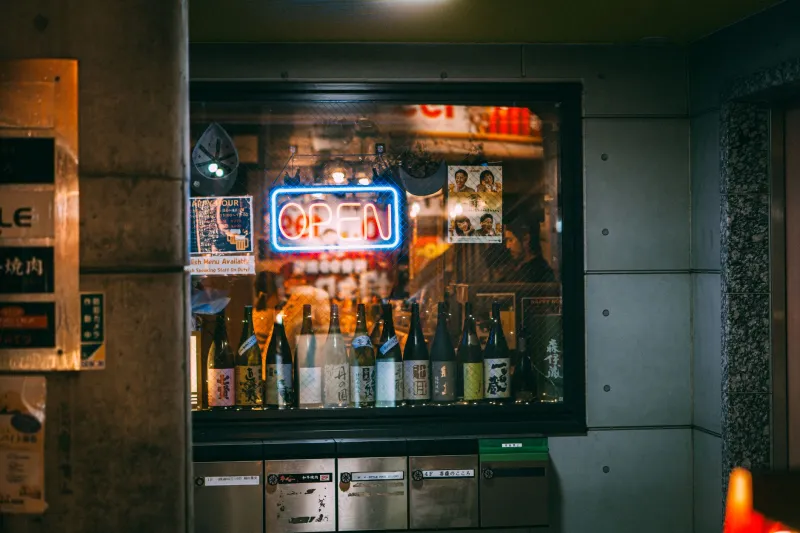
Not every underground studio is a serene apartment setup. Some of the most talked-about spaces in Tokyo's tattoo community exist in genuinely unexpected real estate — above pachinko parlors in Shinjuku, in the back of vintage clothing stores in Koenji, in basement spaces that double as rehearsal rooms on weekends.
The economics make sense, actually. Rent in Tokyo is brutal for commercial space. An artist who doesn't need a street-facing storefront can operate in a cheaper, more private setting — which also happens to be exactly the kind of environment that serious collectors prefer. No waiting room. No walk-in energy. Just you, the artist, and the work.
One studio we visited (and agreed not to precisely locate) operates in a space that's half-storage room, half-studio, with a single chair and a wall of reference books on Edo-period woodblock prints. The artist there, a woman in her late thirties who trained under a well-known Yokohama irezumi master, described her setup as "exactly what I need and nothing I don't."
Who's Actually Getting Tattooed Here
The client base at these studios is genuinely mixed in a way that surprises people who assume underground tattooing in Tokyo is purely a local thing. Yes, plenty of Japanese clients — many of whom navigate the cultural stigma around tattoos (still enforced at many public baths and gyms) with matter-of-fact pragmatism. But there's also a consistent stream of international visitors, particularly from the US, who've done their research and planned their trips around appointments.
For American visitors, the experience can feel almost disorienting in the best way. There's no upselling. No merch table. The conversation is focused entirely on the work — the design, the placement, what the client wants the piece to mean over a lifetime of wearing it.
"It reset my whole idea of what getting tattooed is supposed to feel like," says Daniela, a nurse from Chicago who got a sleeve started during a two-week Tokyo trip. "It felt like an actual collaboration, not a transaction."
The Tension Isn't Going Anywhere
Japan's complicated relationship with tattoos isn't resolving itself anytime soon. The 2020 Supreme Court ruling gave artists some breathing room, but the legal landscape remains murky enough that many prefer to stay quiet and stay small. Meanwhile, the cultural appetite for irezumi — both traditional and contemporary — keeps growing, fueled partly by international interest and partly by younger Japanese people reclaiming the art form outside its historical yakuza associations.
What that means for Tokyo's underground studios is a kind of productive tension. The restrictions that pushed artists into spare bedrooms and basement spaces also created something genuinely special: a tattoo culture built on relationships, craft, and mutual trust rather than foot traffic and Yelp reviews.
That's not a scene that's going to move into a storefront anytime soon. And honestly? That's probably the point.